Sump Pump Failure Cleanup in Ogden, UT
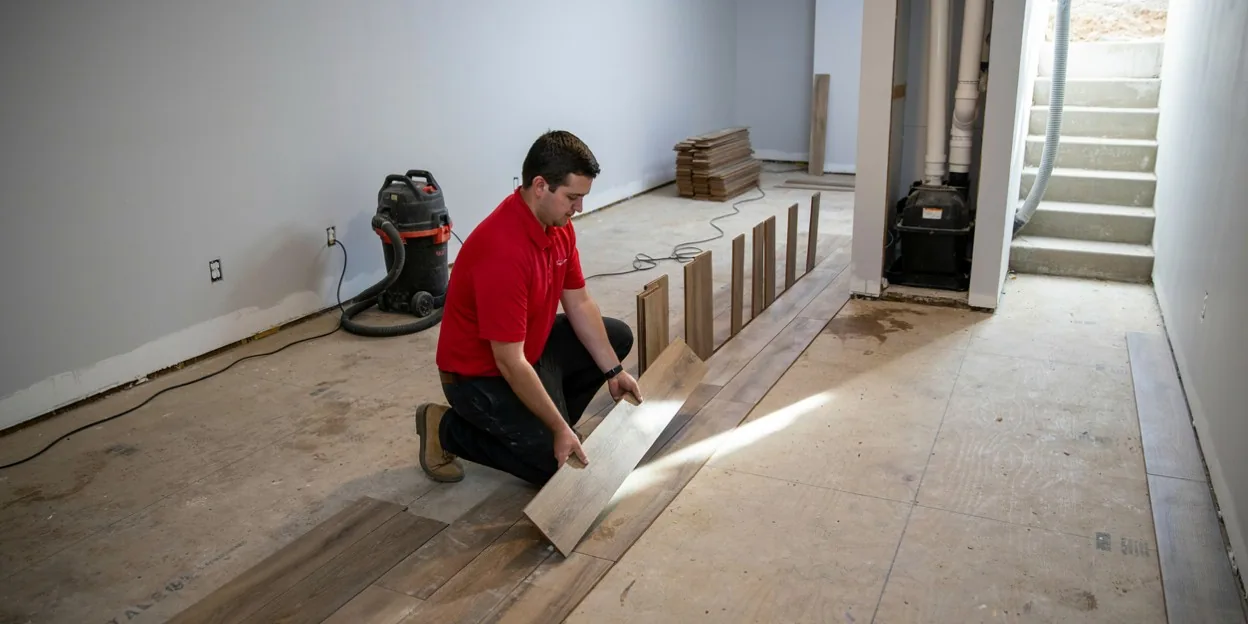
The wind knocked the power out around midnight, the pump in the corner went quiet, and by morning the pit had spilled over and the basement carpet was wet to the far wall. This site connects you by phone with an independent local provider who cleans up after a sump pump failure in Ogden and across Weber County.
Getting the water out when the pit is still filling
The crew checks whether water is still coming into the pit. During a high-water-table spring on the west side it usually is, so a temporary pump goes in first to keep the pit below the slab while the extraction happens. Then the standing water comes off the floor and the meter goes on the walls.
Water from a sump pit is groundwater, and it carries silt and whatever else was in the soil. That changes the plan. Carpet pad and the wet part of the drywall usually come out rather than being dried, and the crew treats the floor before the drying equipment goes in. The readings on the framing and the slab then decide how long the drying runs.
Do not reach into the pit, and do not plug the pump into a wet outlet
If the power is out, leave the pump alone until it comes back, and keep off the floor if the water is near an outlet. If the pump has power and is not running, unplug it and leave it for a plumber. Get storage, furniture, and anything on the floor up on shelves or upstairs, and photograph the water line on the walls before it drops.
Then call. Say whether the pump lost power, ran and could not keep up, or simply stopped. That tells the provider whether the water is likely to come back before they arrive.
What a groundwater flood does to a finished basement
The carpet may be cleaned and reused in a light loss, but the pad goes out. Drywall gets cut at the height the readings show, and wet insulation behind it goes with it. Framing, concrete, and the slab dry in place once the room is treated. Storage that sat in the water on cardboard is usually a loss; plastic bins are wiped down and kept.
The pit itself is a separate job. A plumber or electrician replaces the pump, adds a battery backup, or fixes the float switch. Basement flooding cleanup covers the bigger picture when the water came from more than the pit, and structural drying is what runs after the wet material is out.
West-side lots on the old lakebed, and the spring the pumps ran for weeks
Ogden's west side, West Haven, Hooper, Plain City, and Marriott-Slaterville sit on flat ground where the Great Salt Lake used to be, and the water table there rises close to the surface every spring. New subdivisions in those cities are built with sump pumps and drain tile because the builder knows the basement will take groundwater. In the spring of 2023, after a record snowpack, the Weber and Ogden rivers ran high for weeks and the pumps on those lots ran with them.
Pumps also fail for ordinary reasons. A float switch sticks, a discharge line freezes in January, or a pump installed in 2005 wears out in the year nobody is watching it. Power outages during a wind or snow storm take out every pump on the street at once.
Many policies exclude groundwater unless the homeowner bought a sump pump or water backup endorsement, and this site cannot tell you whether yours has one. Ask the crew for photos of the water line, the first readings, and an itemized scope so your adjuster has the file.
Calling about a pump that quit in Weber County
Have the address ready. Say whether the pump lost power or failed on its own, how deep the water got, whether the basement is finished, and whether water is still coming into the pit. Call (385) 557-6268.